
Four Observations from the 2026 AASHTO Spring Meeting

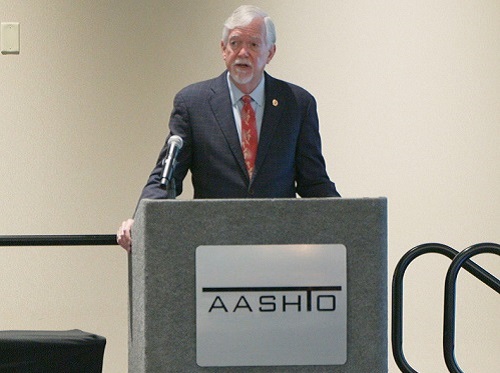
By Roger Millar, PE, FAICP, Dist. M. ASCE — former Secretary, Washington State Department of Transportation; AASHTO President, 2022–2023
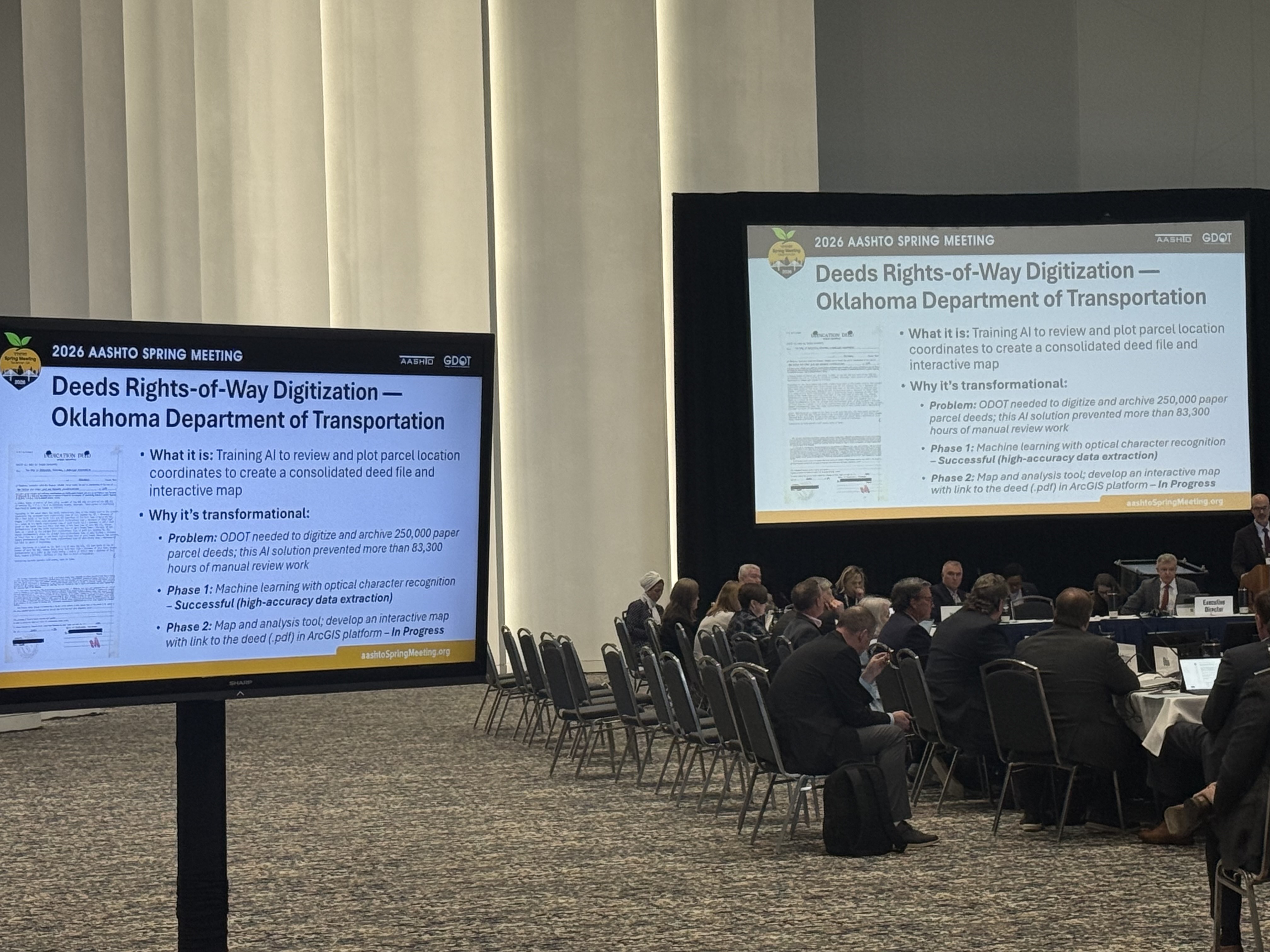
I spent last week in Savannah at the 2026 AASHTO Spring Meeting, hosted by the Georgia Department of Transportation. The committee meetings and knowledge sessions covered a lot of ground: Safety Innovations Throughout the Transportation Lifecycle, Formula Funding in Action, Future-Proofing Bridges and Pavements, and multimodal planning for FIFA World Cup 2026 host cities. The Innovation Showcase ran alongside it, and AASHTO's Bridge Challenge brought middle and high school students into the building — which, for anyone worried about the pipeline of engineers and planners, is worth an hour of your time on its own.
Four observations from the conversations I had with colleagues across the country:
1. Safety has truly become a priority for the DOT community.
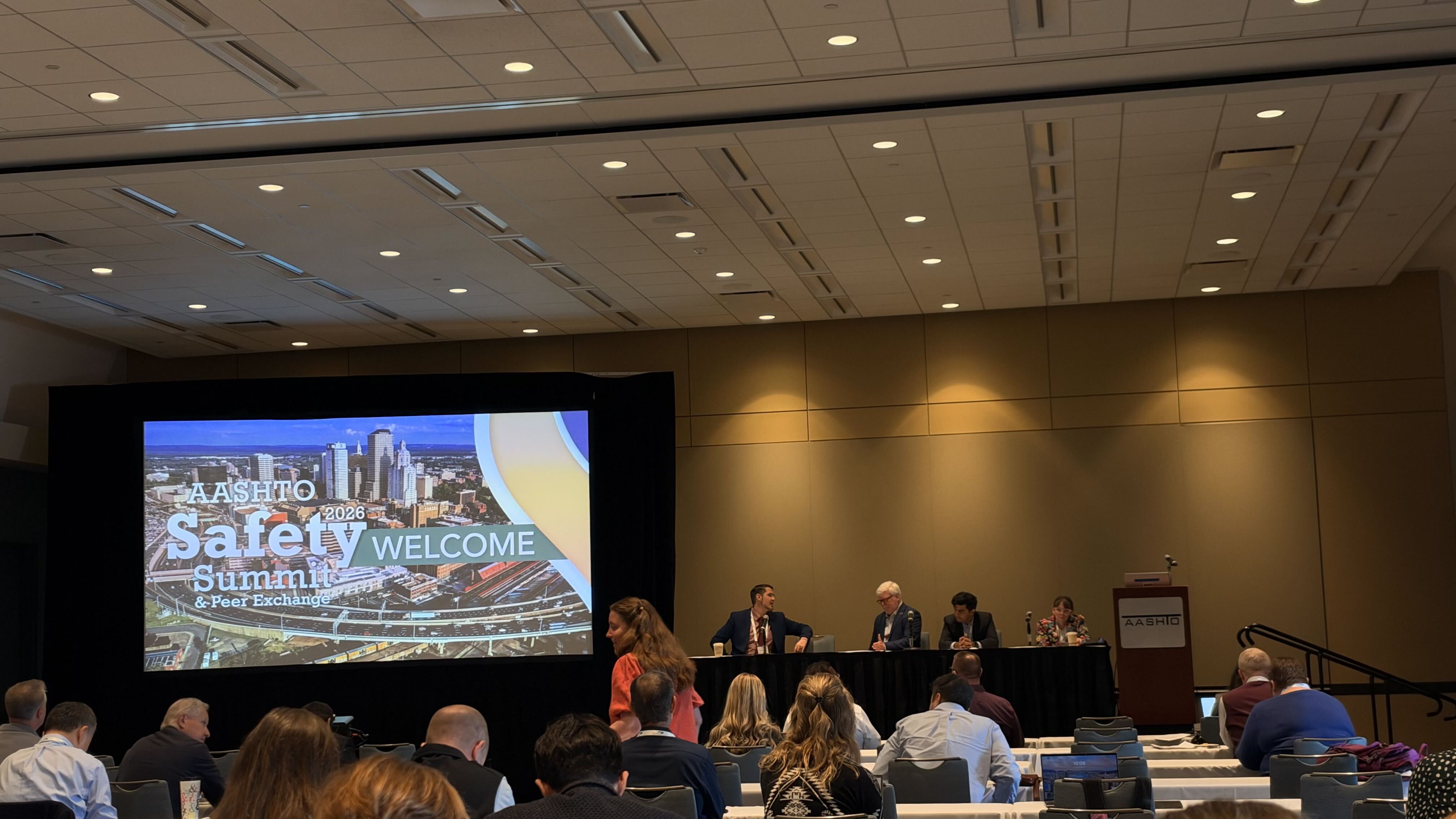
When AASHTO held its first-ever Safety Summit in Kansas City in 2023, during my year as President, it was a deliberate choice — an attempt to put safety on the "front burner" in the state DOT community. Three years later, that conversation has grown from the Safety Summit, now an annual event, to being a key component of every AASHTO convening. Crashes cost the U.S. economy over 1.4 trillion dollars a year, and agencies are finally treating that number the way they'd treat any other line item of that size: with more dedicated staff, dedicated funding, and accountability for outcomes. The Safety Innovations panel in Savannah reflected where the field is today — states and locals sharing what's moving fatalities and serious injuries in the right direction.
2. Too much data, not enough information.
This came up in nearly every hallway conversation I had, and it ran through the formal sessions as well. State DOTs are not short on data. We have:
- Crash records going back decades
- Asset inventories and maintenance records for pavement, bridges, signs, signals, and ADA features
- Performance metrics tied to federal reporting requirements
- Sensor feeds and operations data from ITS investments
What's still hard is turning any of that into something a planner, an engineer, or a DOT executive can use to support decisions at the pace decisions need to be made in the 21st century. The Formula Funding in Action panel kept circling back to stewardship, performance, and accountability — and those three words depend entirely on whether the data behind them has been made actionable. The Future-Proofing Bridges and Pavements discussion ran into the same wall: smart maintenance and timely rehabilitation depend on knowing, with confidence, what you own and what condition it's in. Closing the gap between data and information is one of the defining challenges of this decade for our industry.
3. AI isn't being embraced for technology's sake — but DOTs are curious and welcoming of problem-solving tools.
The pragmatism I heard on this topic was reassuring. Nobody I spoke with is chasing AI as a panacea. What agencies are asking is a more useful question: does this tool solve a problem that we actually have? Does it help us screen a network faster, prioritize projects more defensibly, or get an asset inventory done without sending crews into traffic? That posture is the right one. It also puts the burden where it belongs — on vendors and researchers to demonstrate that they understand what each agency's problems are and recommend a specific workflow improvement, rather than selling technology for technology's sake and burdening DOT staff to figure out what it might be useful for. The grassroots work highlighted in the Innovation Showcase reflected that orientation: people solving specific problems, not demonstrating technology.
4. Making the right of way safe for everyone — whether they are driving or not — is the issue.
I've said versions of this for years, and I'll keep saying it. The right of way belongs to all of us. Drivers, pedestrians, cyclists, transit riders, people using wheelchairs or pushing strollers, kids walking to school. Roughly 30% of Americans don't drive — because of age, disability, income, or choice — and a safety strategy that only accounts for people behind a windshield isn't a complete strategy.
Two things in Savannah reinforced this. The multimodal planning work for the 2026 World Cup is forcing host cities to confront, on a compressed timeline, what it takes to move millions of people who simply can't all arrive by car. And the through-line across the safety sessions kept returning to land use: where we put housing, schools, and jobs determines how much exposure vulnerable road users, a group I like to call "people," have to high-speed traffic, and no amount of engineering downstream fully compensates for poor land use decisions made upstream. Complete Streets principles have been moving in this direction for years, and the field is not slowing down.
Looking Ahead
I left Savannah with the same impression I've had leaving these meetings for the last several years: the questions being asked are the right ones, the urgency is genuine, and the people doing this work are serious about it. Thanks to my friend Commissioner Russell McMurry and his colleagues at the Georgia DOT for hosting, to AASHTO for the convening, and to the colleagues who made the time to talk. More to come as the year unfolds.
Related posts

.jpg)

Transform Your Community with
Advanced Technology


