
My First AASHTO Safety Summit: What State DOTs Are Saying About Safety Data

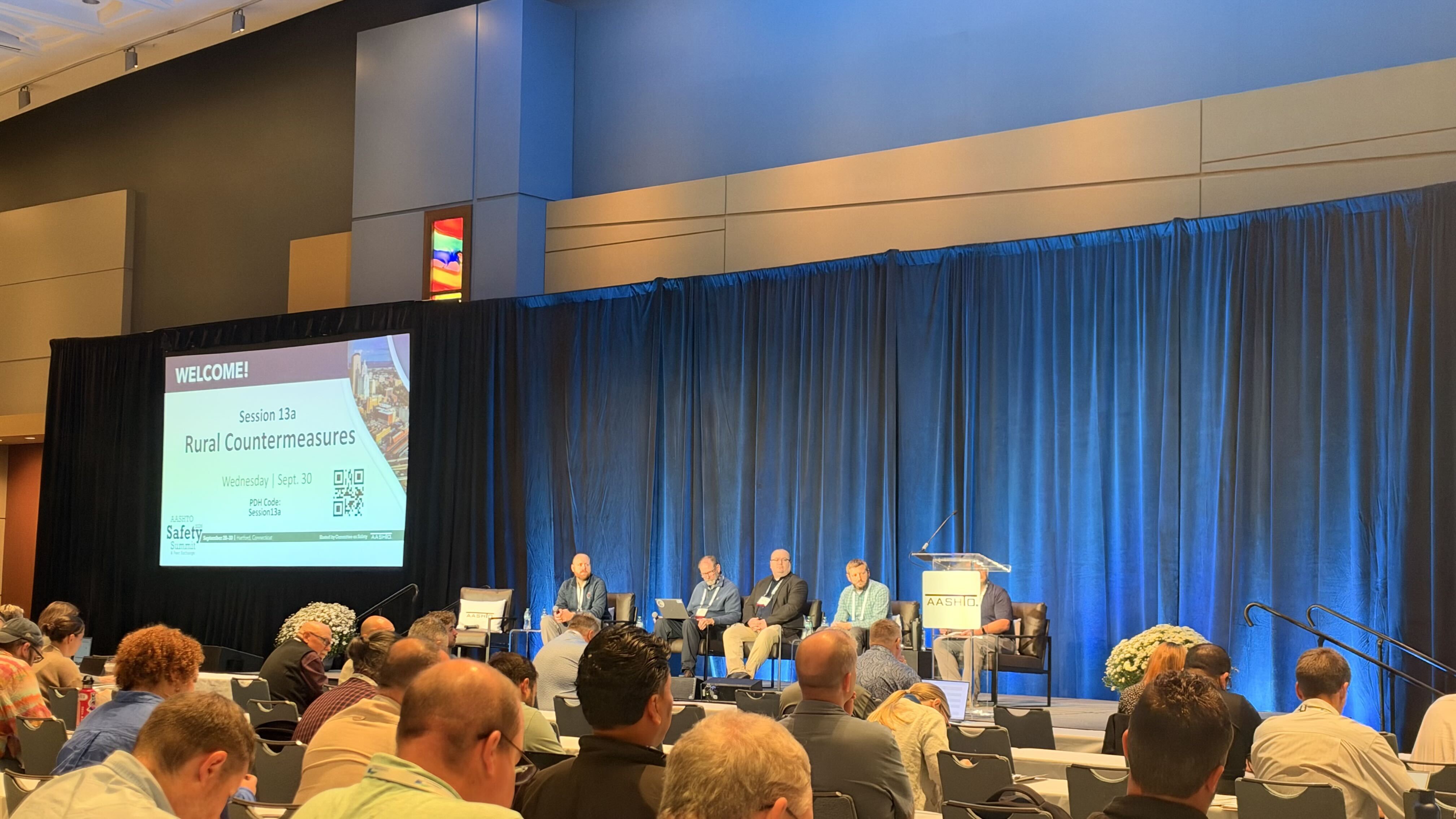
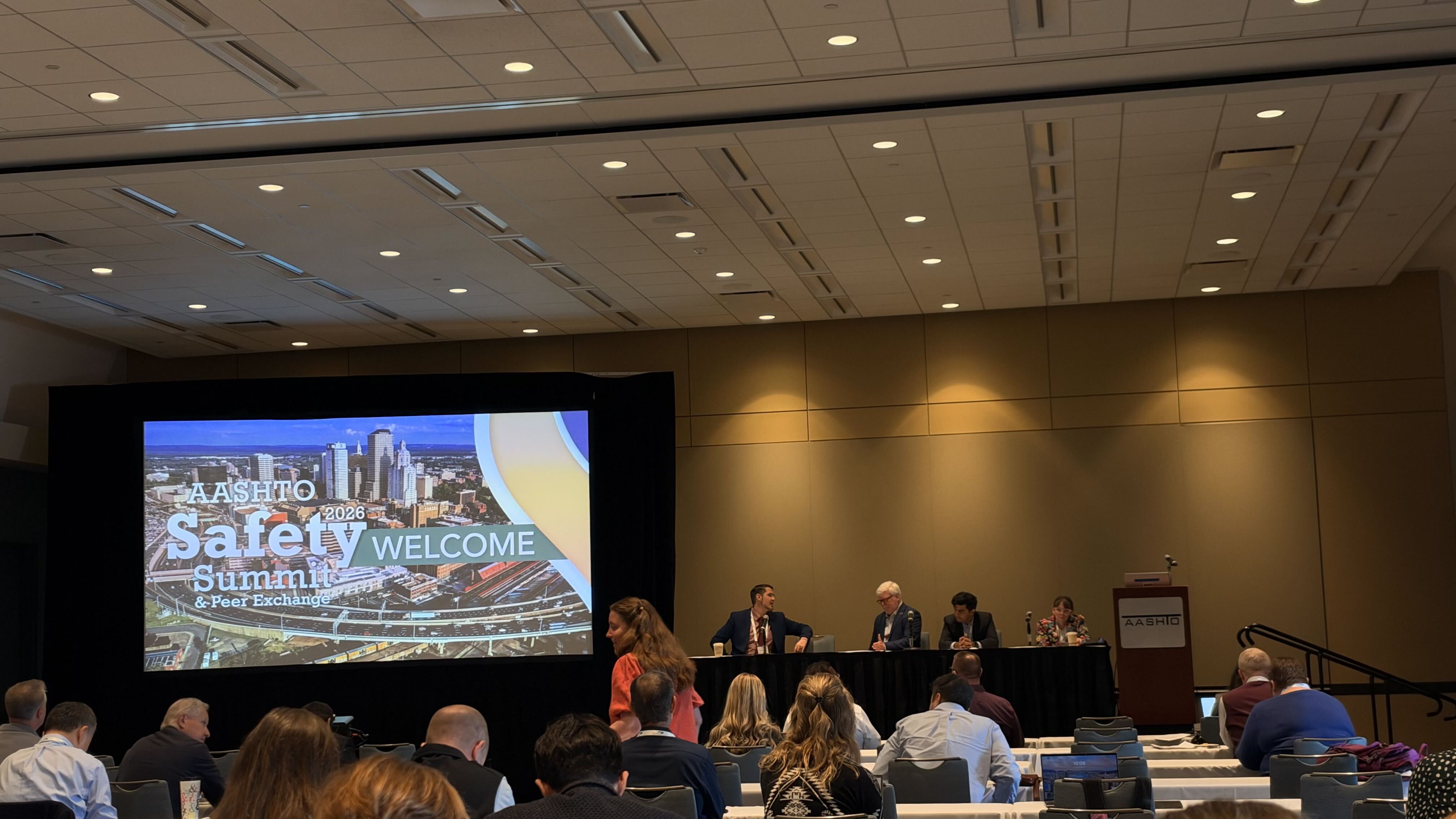
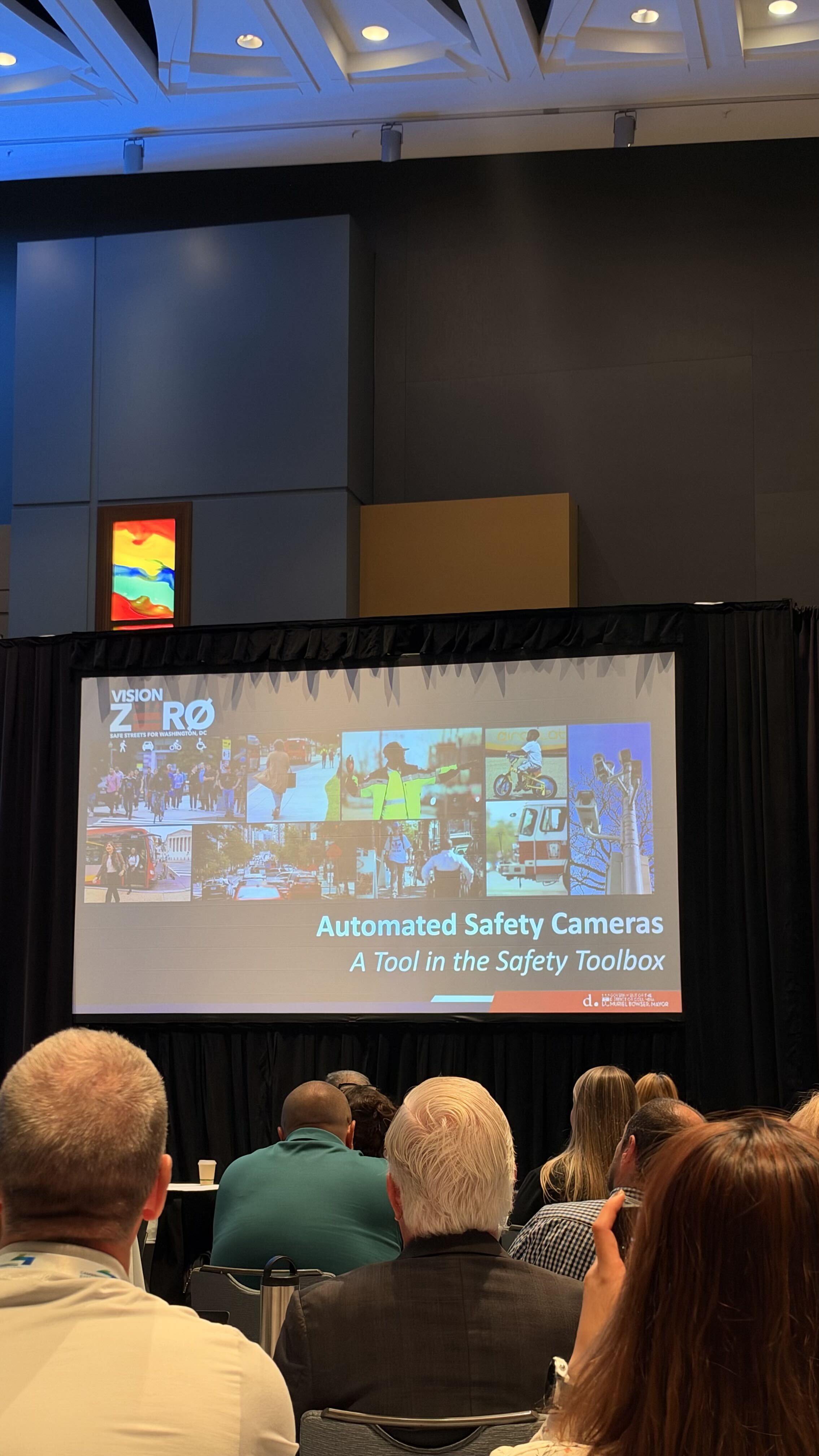
This year has taken me to NASTO, WASHTO, and MAASTO, so I came into my first AASHTO Safety Summit and Peer Exchange with a good sense of how each region approaches roadway safety. Hartford brought it all together. State DOT safety leaders from across the country spent four days comparing notes, and three themes came up again and again.
Benefit-Cost Analysis Is Front and Center
Benefit-cost ratios came up in nearly every conversation about project selection. Safety leaders want to know that every dollar is going where it will prevent the most serious crashes, and they need to be able to show that reasoning to leadership and federal partners. The challenge is that producing a solid benefit-cost analysis still takes a lot of manual effort, and it is only as strong as the data behind it.
The Same Work With Fewer People
Many safety teams are being asked to deliver the same program with fewer staff. When experienced people leave and positions go unfilled, the workload doesn't shrink. That puts real pressure on any process that depends on manual review, rebuilding analysis each cycle, or institutional knowledge held by a few people.
Openness to Innovation and AI Varies Widely
Some agencies are actively experimenting with new tools, including AI. Others are cautious and prefer to keep analysis in house. Both positions make sense. In public agencies, trust has to be earned, and any tool needs to show its work so engineers can explain a result to leadership and the public. Even the agencies moving fastest are doing it with that expectation of transparency.
What This Means for Our Work
These conversations line up with what I heard at every AASHTO event this year. State DOTs want safety data and analysis they can stand behind, produced with less manual work from teams that are already stretched. That is the problem Citian's CRASH platform is built around, and I'm looking forward to continuing the conversations that started in Hartford.
The Takeaway
State DOTs are not short on commitment or ideas. What they need is more time, more capacity, and tools they can trust. Thank you to AASHTO and the Committee on Safety for a great week in Hartford. See you next year.
Related posts
.jpg)



Transform Your Community with
Advanced Technology


