
Bridging State Priorities and Local Projects: My Takeaways from NASTO 2026

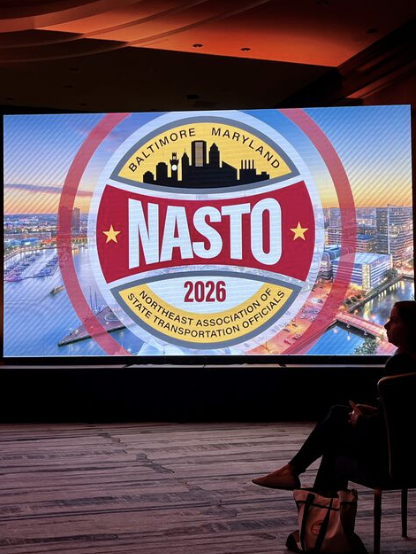
Yesterday I attended my first industry conference, the Northeast Association of State Transportation Officials (NASTO) Annual Conference in Baltimore, Maryland, representing Citian.
I went in expecting to learn about transportation planning. I came out with a much clearer picture of how state DOTs and local jurisdictions actually work together, and where the friction points are.
A Theme That Kept Coming Up: Communication Between States and Locals
The first session of the day set the tone. State DOTs regularly partner with MPOs, regional planning organizations, and local governments to develop and deliver transportation plans and programs, but that collaboration is getting harder as projects grow more complex and funding gets tighter.
What struck me was how much of the conversation centered on communication. States want better visibility into what local jurisdictions are actually working on. Local jurisdictions want clearer signals on what states are prioritizing when it comes to funding.
Speakers also spent real time on creative funding routes, ways to structure programs so that money can move even when a single agency's budget can't stretch far enough on its own.
AASHTO's Committee on Planning is sponsoring dedicated research on this exact challenge through NCHRP Project 08-179, building practical models for how DOTs, MPOs, and their partners can coordinate more effectively when resources and capacity are stretched.
Hearing planning leaders share candid wins and struggles from their own states made the idea concrete for me: these state-local partnerships are where local safety programs actually take shape.
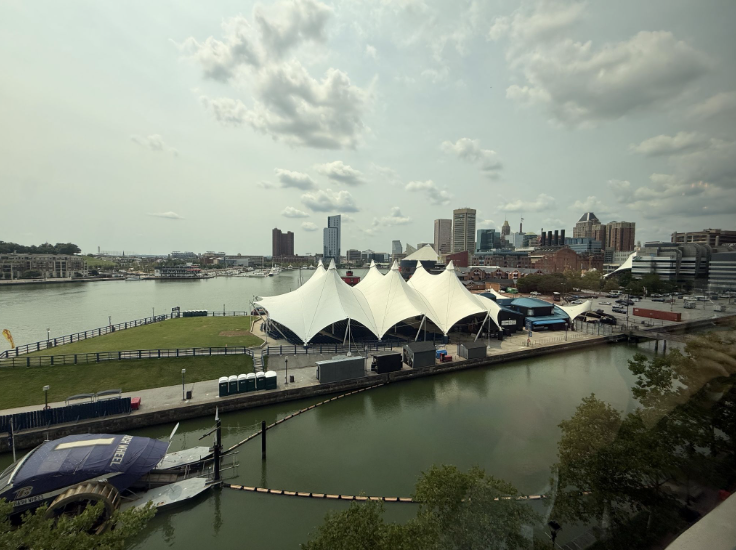
Closing the Local Funding Gap
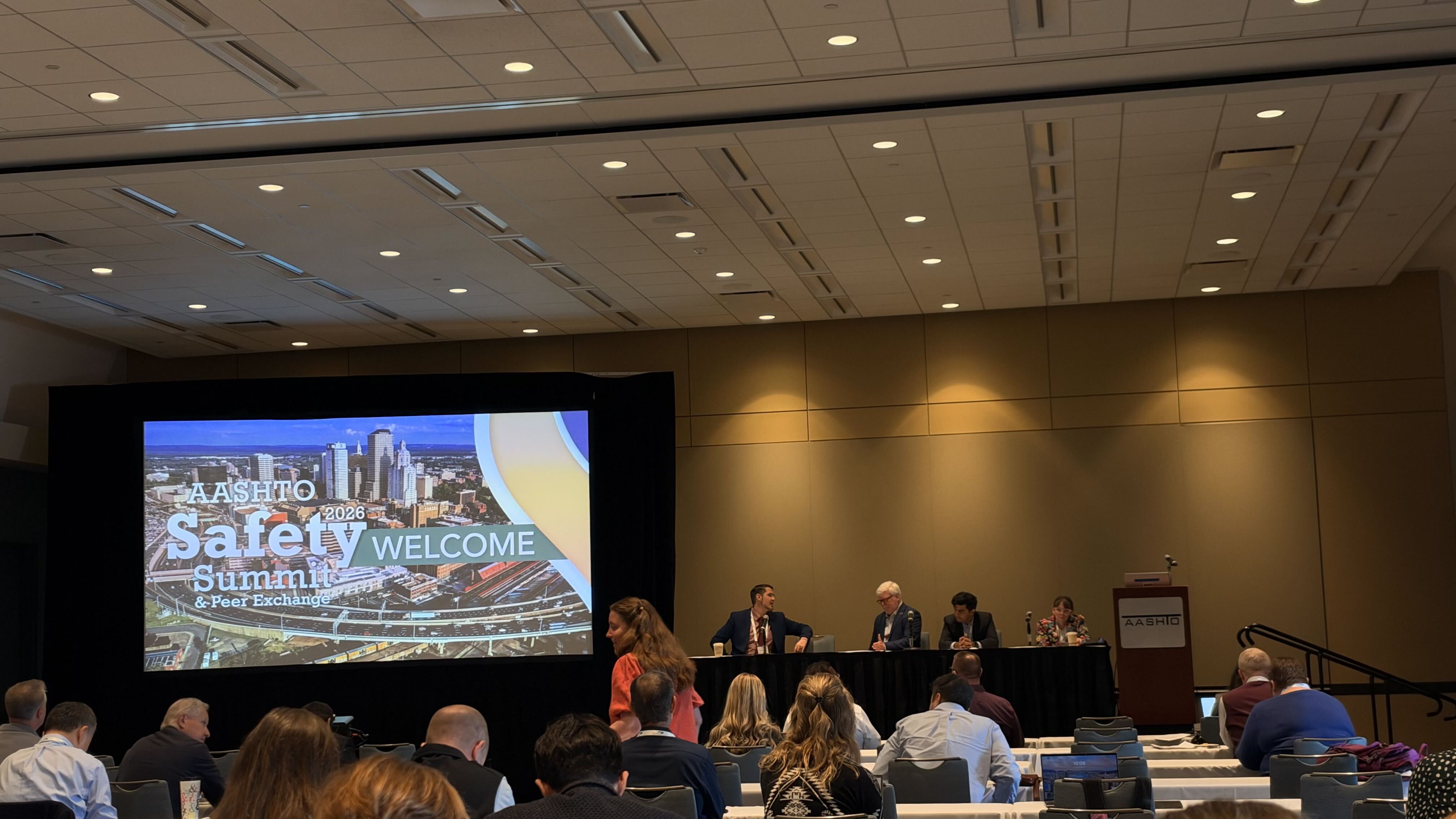
The second session, "The Importance of Local Public Agency Programs and State-Local Partnerships," dug into the local side of that relationship. Local governments own and maintain a significant share of the roads people drive on every day, yet they typically have the least funding and the smallest staffs to manage them.
Strong coordination with state DOTs isn't a nice-to-have. It's what makes a transportation system that actually reduces serious injuries and fatalities possible.
A recurring point stuck with me: traditional reimbursement models can be a poor fit for small communities, because cities are asked to put up money they don't have before they ever see a dollar back.
One example that came up was Massachusetts DOT's Local Early and Actionable Planning (LEAP) Program, which gives municipalities planning and early-stage design assistance so they can move projects forward and compete for state and federal funding that tight budgets and small staffs would otherwise put out of reach.
Where Citian Fits Into This Picture
This is the part of the day that connected most directly to why I'm at Citian. The gap between what local jurisdictions are working on and what state DOTs are prioritizing is a communication problem as much as a funding problem, and it's exactly where our technology adds value. When local agencies can point to defensible, data-driven analysis of where risk is concentrated on their own networks, it becomes much easier for state DOTs to see which local projects deserve to move up the funding queue.
That same analysis also helps local jurisdictions get in the door in the first place. A small team without a large engineering department or consulting budget can use Citian technology to consolidate fragmented data and build the kind of case that helps them capture the initial grant dollars state DOTs use to jump start local safety programs. Once that first funding is in place, agencies have a track record and a data foundation to build on, which puts them in a stronger position to compete for the next round of grants, and the round after that.
When state DOTs remove financial barriers and local agencies have tools that do the analytical heavy lifting, the math changes. Good projects get picked because they can be defended with data, not just advocated for. Smaller communities stop being limited by budget and staff size alone.
A Fitting Close
The day wrapped up with a talk from Torrey Smith, two-time Super Bowl champion. It was a fitting note to end on after a day spent talking about what agencies can accomplish when they stop working alone.
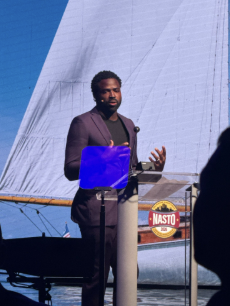
As someone new to this industry, NASTO 2026 gave me a clear starting point: transportation progress isn't built by large agencies acting alone.
It's built through partnership, backed by good data, and made possible when smaller agencies have the tools to do the analysis themselves. I'm looking forward to more conferences, and more conversations like this one.
Related posts

.jpg)



Transform Your Community with
Advanced Technology


