
My First Traffic Records Forum: A New Perspective from ATSIP 2026

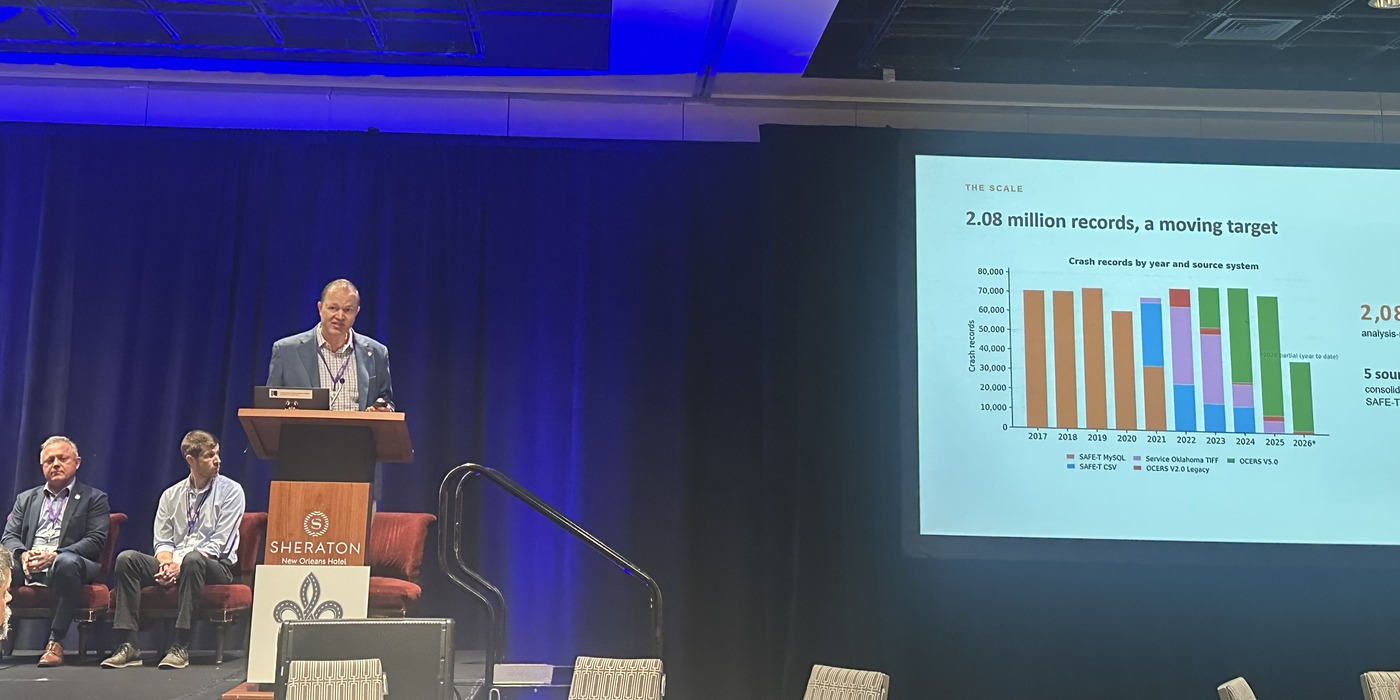
I just wrapped up my first Traffic Records Forum, and I wanted to share some thoughts while they're still fresh. As Citian's VP of Customer Success, I spend most of my time working directly with the agencies who use our platform, so stepping into a room with the people who build and govern traffic records systems was eye opening.
The Traffic Records Forum, hosted by ATSIP, ran August 2 through 5 in New Orleans. It's a niche conference in the best sense. The entire event is built around one specific problem: improving the accuracy, timeliness, and completeness of traffic records and highway safety data. That sounds narrow on paper, but the room told a different story.
A Room Full of Unexpected Overlap
What stood out to me most as a first timer was how many different worlds intersect here. I connected with people from federal agencies, state DOTs, and state highway safety offices, sometimes the same office wearing two hats. I met law enforcement officers, who are often the ones actually entering the records everything downstream depends on. I talked with university researchers, private sector technology partners, motor vehicle administrators, EMS professionals, and judicial administrators who handle how citations and case outcomes flow back into the record.
I hadn't fully appreciated how many hands touch a single traffic record before it becomes usable data. There was also a real thread running through the conference about how states are approaching new technology as part of their traffic records systems improvement goals.
Presenting with Oklahoma
One of the highlights of the week was watching my colleagues Ryan Westrom, Citian's Chief Strategy Officer, and Ahmed Tageldin, our Data Scientist, present alongside Paul Harris, Director of the Oklahoma Highway Safety Office, on Oklahoma's crash data modernization work using Citian's CRASH platform.
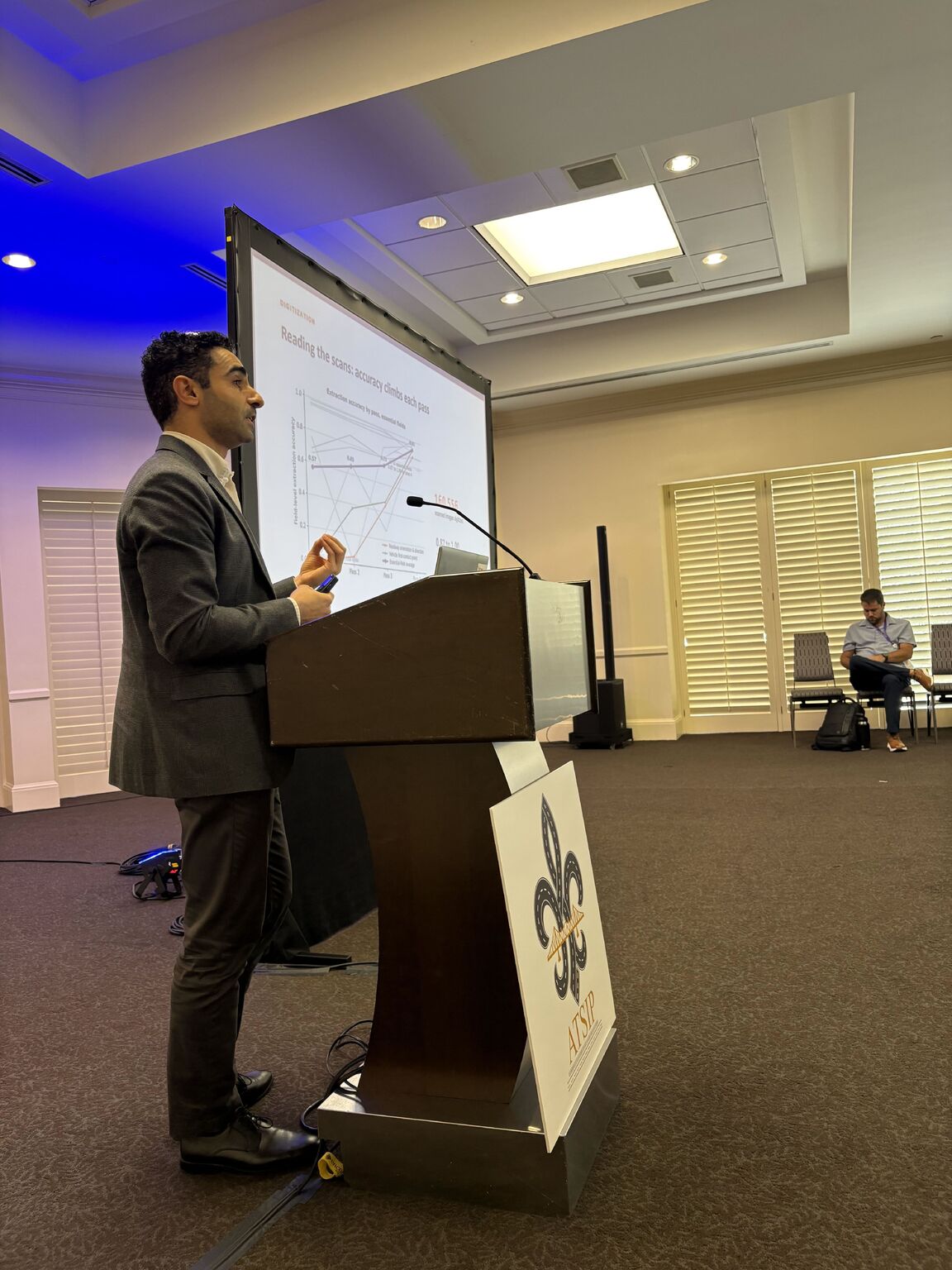
The numbers they shared landed with the room. The project reconciled 2.08 million crash records across five source systems and two agencies. The pipeline digitized more than 160,000 scanned report images into structured data, recovered accurate location data for over 84 percent of crashes with missing or bad coordinates, and surfaced more than 22,000 hit and run crashes the previous coded data had missed. Ryan closed with a point that stuck with me: the bigger opportunity isn't just cleaner data, it's a state genuinely owning a single authoritative crash record, refined as it comes in rather than patched up after the fact.
You can view the slides here: ATSIP 2026 Presentation
We also found out we were named a finalist for two Traffic Records Forum awards this year, Best Practice and Best Data Visualization.
Coming Away with a Different View
I went in expecting a lot of conversation about crash data specifically. What I found instead was a much broader picture of everything that has to work together for that data to be trustworthy in the first place. That's a good reminder for how we think about our own work at Citian: the platforms we build only matter if the data underneath them is accurate, and that accuracy depends on a whole ecosystem of people most of us never think about day to day.
I'm looking forward to being back next year.
Related posts
.jpg)




Transform Your Community with
Advanced Technology


